Mon to Sat, 8:00am to 5:00pm 3436 Magazine Street #120-D, New Orleans
Big Easy Renovations

Home Siding

Home Siding
in New Orleans

Repair and replacement in weatherboard, fiber cement and vinyl. Siding is the layer that decides how much weather your framing ever sees.

What We Do

The House Wrap Matters More Than the Board

Most siding failures in this city are not the board. They are what is behind it. No house wrap, no flashing at the openings, or a gap at the bottom course that lets wind driven rain straight in.

We take the old siding off and look at the sheathing before quoting a finish. Rot and termite damage in the framing is common here and it has to be dealt with while it is visible.

On older houses we match the original board profile and exposure where we can. Modern siding slapped on a Victorian reads wrong from the street and can fall foul of historic review.

Siding is exterior remodeling, and it is the part that decides how much weather everything else has to survive.

  • Weatherboard repair and replacement
  • Fiber cement siding
  • Vinyl siding
  • House wrap and flashing
  • Rot and termite repair to sheathing
  • Trim, soffit and fascia

What You Get

What a Siding Job Covers

Strip and Inspect

Old siding off so the sheathing and framing underneath can be seen rather than assumed.
Repair

Rot, termite and water damage in the sheathing and framing made good before anything new goes on.

House Wrap

A proper weather barrier, lapped in the right direction so water sheds instead of tracking in.

Flashing

Windows, doors and penetrations detailed. This is where siding actually leaks.

Siding

Installed with the expansion and fastening the material needs in this climate.

Trim and Paint

Corners, soffit, fascia and finish, matched to the age of the house.

How It Works

Four Steps From Call to Finished

The same process on every job in the New Orleans metro, whether it is one room or the whole house.

  1. Free On-Site Walkthrough

    We come to the property and look at the actual house. On older New Orleans homes that means checking settling, moisture and what sits behind the plaster before anyone quotes a number.

  2. Written Scope and Price

    You get home siding written down: what is included, what is not, and what could change it. No charge and no obligation.

  3. One Crew, One Contact

    Materials, trades and scheduling handled in house. You hear about problems the day we find them, not in a bill at the end.

  4. Walk It and Sign Off

    We walk the finished work with you, write down anything you are not happy with, and fix it before the job is called complete.

Book a Free Walkthrough

Gallery

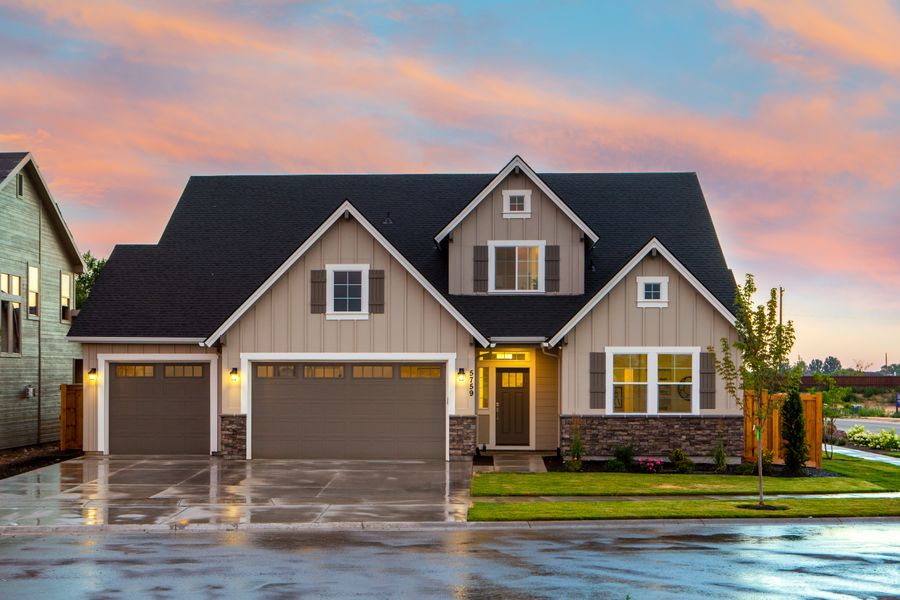
House exterior with board siding and a pitched roof
Siding
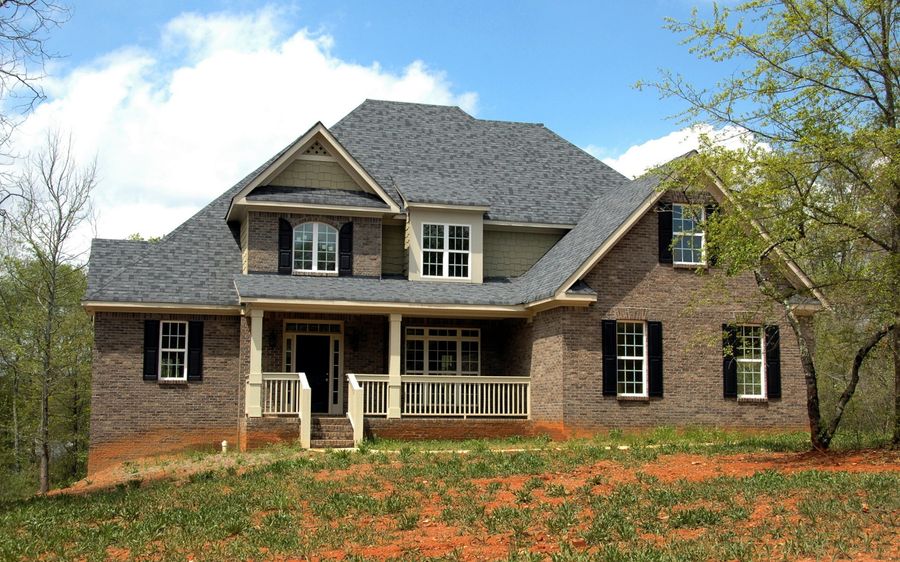
Brick and siding house exterior with a covered porch
Exterior
Row of timber Victorian houses with painted siding
Historic siding

Fiber Cement, Wood, or Vinyl: Trade-Offs for an Old New Orleans House

Fiber cement siding holds up well in this climate because it resists moisture damage and doesn’t attract termites the way wood siding can. It takes paint well and holds its shape through humidity swings that cause other materials to warp or swell. It’s become the common replacement choice for houses that originally had wood siding and need something that performs better without changing the look much.

Wood siding is still the right call in some historic district situations, where matching the original profile and material is part of what gets approved. Wood requires more upkeep than fiber cement, including more frequent painting and closer attention to caulking at joints, but it’s sometimes the only option that satisfies a historic review requirement.

Vinyl siding is the least expensive option and the least common choice on older New Orleans homes, mainly because it doesn’t match the profiles and detail of historic siding well and isn’t typically approved in historic districts. It performs fine functionally, but it’s rarely the right fit on a shotgun or a double with original trim detail.

What’s Usually Happening Behind Siding That Looks Fine From the Street

Siding can look intact from the sidewalk and still have real damage behind it, especially around windows, at the bottom courses near grade, and anywhere two sections meet. Water gets behind siding through failed caulk joints or damaged flashing long before it shows up as a visible problem on the surface.

Soft wood, a musty smell near an exterior wall, or paint that keeps failing in the same spot no matter how many times it’s repainted are all signs that something is wrong behind the siding, not just on it. Repainting over a moisture problem doesn’t solve it. It just resets the clock until the paint fails again in the same place.

A common mistake in siding replacement is installing new siding directly over old siding, or over a wall that hasn’t been checked for hidden rot. It’s faster and cheaper up front, and it’s how new siding ends up covering a problem that gets worse underneath it, unseen, until it’s a bigger repair than it needed to be.

Historic District Rules and Matching Original Siding Profiles

If your house sits in a historic district, siding replacement is one of the projects most likely to require review before permits get pulled, since siding is visible from the street and directly affects the character the district is protecting. That review usually looks at material, profile width, and reveal, not just color.

Matching the original siding profile matters even outside a formal historic district, honestly, because it’s what makes a renovated house still look like the house it was. Shotguns and doubles from this era typically used specific reveal widths and corner details that modern siding doesn’t always replicate by default. A contractor familiar with these house types knows to match that profile rather than defaulting to whatever’s standard.

Ask to see the specific profile being proposed before the job starts, not just a material sample. Fiber cement comes in multiple reveal widths and styles, and picking the wrong one is a mistake that’s obvious on an old house even to people who can’t say exactly why it looks off.

Local Knowledge

Siding on a Gulf Coast House

Humidity, UV and horizontal rain are hard on any cladding. Add a house that moves on pier and beam and you get gaps opening at joints that were tight when they were installed.

We detail for movement and for water getting behind the board, because on a long enough timeline it always does.

  • Wind driven rainFlashing and laps detailed for water arriving sideways
  • TermitesSheathing and framing checked while the wall is open
  • MovementFastening that allows a pier and beam house to move without splitting board
  • Historic districtsOriginal profile and exposure matched where the rules apply

Ready For a Straight Number?

Tell us what you want done. We will come look at the house and put it in writing.

4.88 from 59 Google reviews

Read them on Google

They transformed my old kitchen into a modern space quickly and kept everything clean.

Lucas Rivera

They renovated our entire condo and the quality is top-tier. New flooring, fresh paint, and updated lighting throughout.

Sophie Ruby

A full main floor renovation. Honest pricing, high-quality materials, and a very hardworking crew.

Zachary Bailey

FAQ

Frequently Asked Questions

Can you repair a section rather than residing the whole house?

Often yes. If the damage is local and the rest of the cladding is sound, a section repair is the sensible call. Matching weathered board exactly is the limitation and we will be straight about how close we can get.

Fiber cement or vinyl?

Fiber cement handles this climate well and takes paint. Vinyl is lower maintenance and lower cost. On a historic house the answer is usually neither, and we match the original timber profile instead.

Will you find damage once the siding is off?

Sometimes, and it is better found than hidden. Rot and termite damage in the sheathing gets quoted as it is found, with photos, rather than buried.

Do you do the trim and soffit too?

Yes. Soffit and fascia are usually where water has been getting in, so doing siding without them is half a job.

Is there a difference between renovation and remodeling?

In practice, no. People use both words for the same work, and we answer to either. If you want the longer version we wrote about it: renovating vs remodeling.

Is fiber cement siding a good match for an old New Orleans house?

Yes, when it’s installed in the correct profile and reveal width to match the home’s original siding. Fiber cement resists moisture and termite damage better than wood while still allowing the look of traditional siding to be preserved, which matters most on shotguns and doubles with original trim detail.

How do I know if siding damage is just cosmetic or something more serious?

Soft wood to the touch, a musty smell near an exterior wall, or paint that keeps failing in the same spot are signs of moisture behind the siding, not just on the surface. Cosmetic damage doesn’t come back after repainting. Recurring damage in the same spot usually means water is getting in behind it.

Does siding replacement require historic district approval?

In most historic districts, yes, since siding is visible from the street and part of what the district reviews. Approval typically covers material, profile, and reveal width. Check with your contractor before finalizing material choices if your home is in a designated historic district.

Cities We Serve

Home Siding Across the New Orleans Metro

Orleans, Jefferson, St. Tammany, St. Charles, St. John the Baptist and Tangipahoa parishes, and out to Baton Rouge.

Not listed? Call 504-470-0455. We cover most of the metro and the Northshore.

Explore Our Services

What Else We Do

One contractor, inside and out, across the New Orleans metro and the Northshore.

See All 16 Services

Where We Are

Based on Magazine Street

We work out of 3436 Magazine Street in Uptown New Orleans, which puts most of the metro within a short run and the Northshore inside an easy morning.

  • Address3436 Magazine Street #120-D
    New Orleans, LA 70115
  • Phone504-470-0455
  • HoursMonday to Saturday, 8:00am to 5:00pm
Get Directions

Next Step

Let’s Talk About Home Siding

Tell us what you want done in New Orleans and we will come and look at the house. Free written estimate, no obligation, and a number that holds.

Free Estimate

Let's Look At Your House

Send this over and we will call you back to set up a walkthrough.

  • Call504-470-0455
  • Visit3436 Magazine Street #120-D
    New Orleans, LA 70115
  • HoursMonday to Saturday, 8:00am to 5:00pm